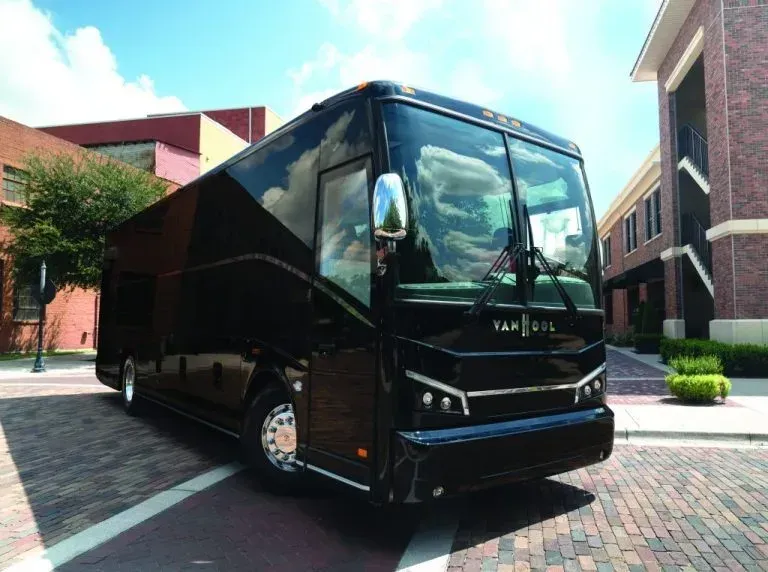
Arranging transportation for a large group can quickly grow into a complex assignment when multiple schedules, pickup logistics, and travel expectations come into play. Whether the occasion involves corporate gatherings, family celebrations, group outings, or special events, ensuring everyone arrives together and on time requires thoughtful planning. A carefully coordinated transportation plan helps eliminate complications, lessen delays, and create a more pleasant experience for every participant. By recognizing the essential aspects of group transportation management, organizers can develop a smooth travel experience from start to finish.
When large groups travel together, transportation becomes more than simply moving passengers from check here one location to another. It serves as an essential element of the overall occasion. Effective coordination helps keep schedules on track, enhances communication among travelers, and supports a more comfortable trip. At A1 Quality Express Limousine, we believe organized transportation services play a vital role in helping groups travel with ease and peace of mind.
Start Planning Transportation Well in Advance
Successful group transportation begins with early preparation. Late planning can reduce transportation choices and make it more difficult to satisfy group requirements. Organizers should first establish attendance numbers, travel dates, projected departure times, and destination details. Securing these details ahead of time helps build an effective transportation strategy that supports the overall schedule.
Early preparation helps organizers identify possible challenges before they create disruptions. Traffic patterns, event schedules, pickup logistics, and passenger accessibility needs can all influence transportation plans. Addressing these factors in advance helps organizers establish a transportation plan that supports smooth movement. Comprehensive planning frequently leads to more seamless travel experiences and fewer surprises.
Identify the Group's Size and Requirements
A critical transportation planning task is evaluating the number of participants and their specific requirements. Accurate passenger counts help ensure the appropriate vehicles are selected and prevent overcrowding or underutilized transportation resources. Planners should verify attendance information early and revise those numbers whenever plans change.
Passenger counts are important, but personal requirements within the group should also be considered. Different passengers may require additional baggage capacity, accessibility accommodations, or other forms of assistance. Awareness of these details supports transportation arrangements that better serve the group. Carefully gathering complete information contributes to a more efficient and enjoyable travel experience for all participants.
Design a Well-Organized Transportation Schedule
A clear transportation schedule serves as a roadmap for the entire group. Planners need to map out departure schedules, pickup points, travel time estimates, arrival targets, and designated stops. A detailed itinerary reduces confusion and ensures everyone knows where and when they need to be. Clarity and consistency are particularly important when handling larger groups with many participants.
Communication plays a significant role in making schedules effective. Each participant should be informed of transportation details ahead of time. Providing schedules through digital platforms or printed copies helps maintain awareness among participants. When participants have clear expectations, transportation operations tend to run more smoothly and efficiently.
Create Unified Pickup and Drop-Off Locations
Handling several pickup points can add unnecessary complications to large-group travel. Whenever feasible, planners should designate central pickup and drop-off locations that are convenient for everyone. Bringing participants together at one location streamlines boarding and reduces logistical delays. This approach improves communication flow and strengthens overall efficiency.
Using centralized locations makes it easier to verify all passengers before leaving. Organizers can verify participants, communicate updates, and clarify details before the trip starts. An organized system helps ensure readiness and schedule adherence. Well-defined meeting areas contribute to efficient and organized transportation.
Focus on Consistent Communication During Planning
Clear communication is among the most important elements of successful transportation planning. Travelers should be consistently informed about timing, pickup guidance, expectations, and updates. Providing accurate information helps eliminate confusion and allows passengers to prepare appropriately for the trip. Strong communication increases both efficiency and overall satisfaction.
Organizers should ensure reliable systems for distributing information before and during travel. Group messaging systems, email notifications, and designated contact persons can help ensure information reaches all participants quickly. Communication remains the core element that maintains alignment within transportation planning. Consistent updates help maintain confidence and minimize disruptions throughout the journey.
Be Ready for Unplanned Events
Even the most organized transportation plans can experience surprises. Traffic, weather, scheduling shifts, and participant delays can require rapid adjustments. Incorporating adaptability helps ensure smooth responses to unexpected events. Good preparation improves resilience during unexpected changes.
Contingency planning should include backup communication methods, alternate routes when appropriate, and designated points of contact who can assist with decision-making. Defined procedures support calm and organized reactions to unexpected issues. Forward planning ensures transportation continues smoothly even when changes are required.
Put Passenger Comfort and Convenience First
Comfort is a major factor in the overall travel experience. Groups traveling together for long periods require strong focus on comfort. Comfortable seating, organized boarding procedures, and a well-managed travel environment help create a positive atmosphere throughout the journey. When passengers are comfortable, they tend to have a better experience and arrive ready.
Convenience also contributes to successful transportation coordination. Efficient procedures and clear instructions reduce unnecessary difficulties. Well-structured transportation lets passengers enjoy the occasion without concern. A comfortable and convenient journey often enhances the overall success of the occasion.
Collaborate with Experienced Transport Providers
Transportation coordination for large groups includes many details, making professional help essential. Experienced transportation providers understand how to manage schedules, coordinate passenger movements, and maintain efficient operations throughout the journey. Their expertise helps planners manage complex logistics while maintaining organized and dependable operations.
Experienced teams offer insights that improve planning and execution. Their familiarity with group travel allows them to anticipate challenges and recommend practical solutions. By relying on professional experience, planners can focus on the event while logistics are handled carefully.
Make Transportation an Extension of the Event
Transportation should be viewed as an extension of the event rather than simply a method of travel. Coordinated travel allows guests to start experiencing the event early. When well organized, transportation enhances the overall experience and creates a welcoming environment.
At A1 Quality Express Limousine, we believe successful group transportation begins with thoughtful planning, clear communication, and a commitment to passenger satisfaction. Managing group transportation becomes easier when effective strategies are used. Strong organization and preparation create smooth journeys that support event success. We are proud to provide seamless travel experiences that give passengers confidence and ease.